
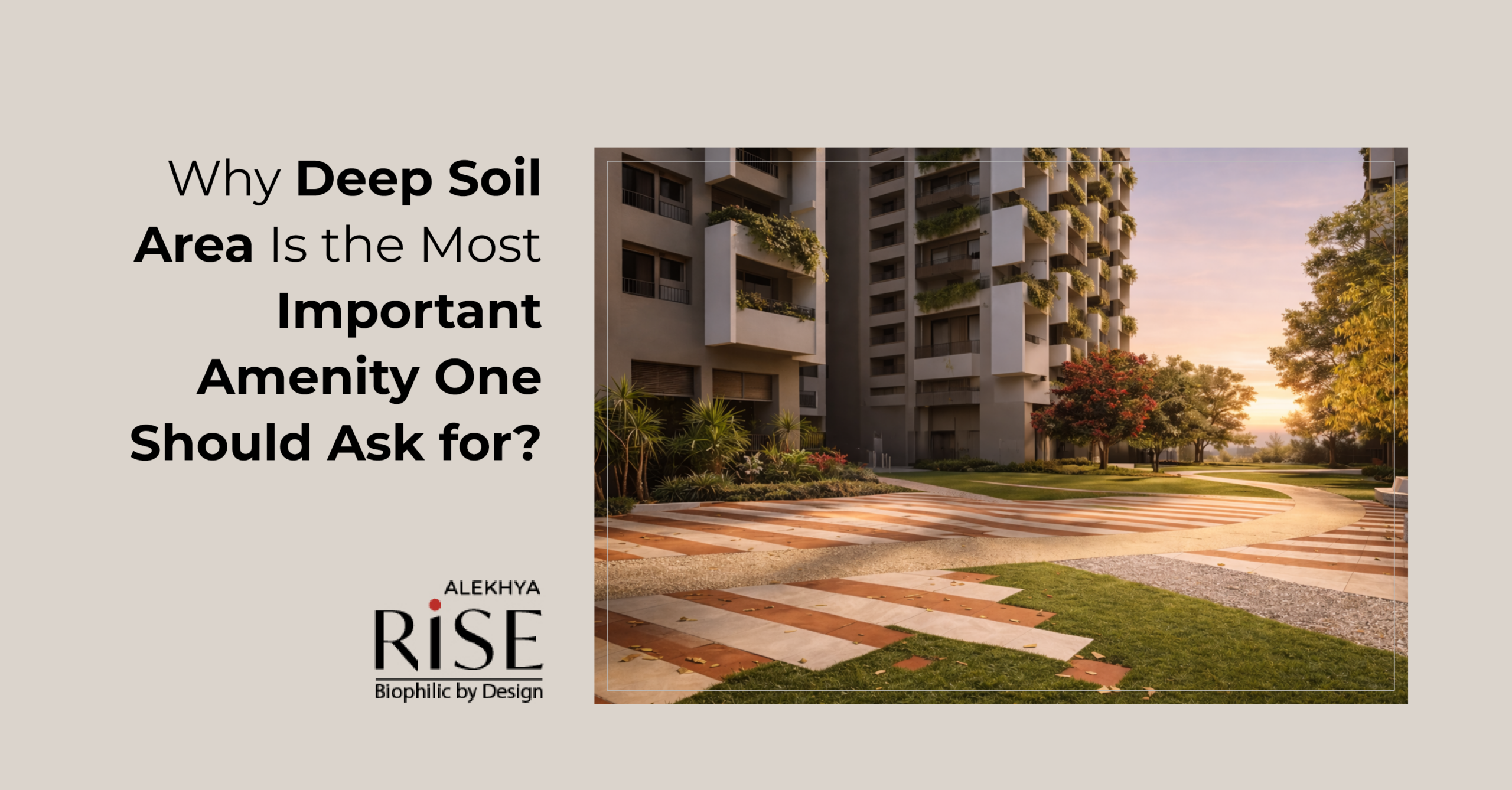
Why Deep Soil Area Is the Most Important Amenity One Should Ask for
Most homebuyers look at amenities first. Clubhouse. Swimming pool. Gym. Maybe a landscaped garden. But there’s one factor that quietly shapes how a home actually feels over time. It rarely appears on marketing banners. And many buyers don’t even ask about it.
If you are considering apartments for sale in Hyderabad, especially in growing corridors like Kokapet or Narsingi, this is something worth paying attention to. Because it affects everything, from air quality to temperature to how a community ages over the years.
What is a deep soil area, and why does it matter?
Deep soil area refers to portions of land that remain untouched by construction below the surface. No basements. No podium slabs. Just natural ground that allows trees to grow with full root depth.
That distinction matters more than it seems.
A surface-level garden built over concrete can look green. But it cannot support large trees, natural water absorption, or long-term ecological balance.
Deep soil, on the other hand, allows the land to breathe.
Over time, this creates a visible difference. Taller trees. Better shade. Cooler surroundings. A more stable ecosystem within the community.
The difference you can actually feel
Walk into two gated communities.
One has manicured lawns built on podium slabs. The other has genuine deep soil zones.
The difference shows up quickly.
In the second space, the air feels cooler. The trees look mature. The ground absorbs heat differently. Even the sound feels softer.
This is not a design coincidence. It comes from how the land is treated during construction.
In cities like Hyderabad, where temperatures rise sharply in summer, deep soil area becomes less of a feature and more of a necessity.
Why most projects don't prioritise deep soil
The reason is simple. Basements and podiums maximise usable space.
Developers often build underground parking across the entire plot. That leaves very little natural ground untouched. What remains is converted into landscaped podium areas.
It looks neat in brochures.
But the long-term impact is different.
Limited tree growth. Higher heat retention. Reduced natural drainage.
This is where buyers need to look beyond visual landscaping and understand what lies beneath.
Deep soil area and the idea of biophilic design
You’ll often hear terms like biophilic design or biophilic architecture in modern real estate conversations.
At its core, the biophilic design concept is about reconnecting people with nature in everyday living spaces. Not as decoration, but as an integral part of how a place functions.
Deep soil area plays a central role in that idea.
Without natural ground, biophilic design architecture remains superficial. You may have planters, vertical gardens, or rooftop greenery, but the ecosystem remains controlled and limited.
With deep soil, the environment evolves on its own.
Trees grow deeper. Soil retains moisture. Microclimates develop within the community. Over time, this creates a space where a biophile, someone who values a close connection with nature, actually feels that connection in daily life.
How deep soil improves everyday living
Temperature regulation
Natural soil absorbs heat differently compared to concrete. Areas with deep soil stay cooler during the day and release heat more gradually at night.
The result is noticeable. Walking through such spaces feels less harsh, especially during peak summer.
Better air quality
Larger trees supported by deep soil act as natural air filters. They trap dust, reduce pollutants, and improve oxygen levels within the community.
Over time, this makes a difference in how the space feels, especially in dense urban environments.
Water absorption and sustainability
Hyderabad sees heavy rainfall during certain months.
Deep soil allows water to percolate naturally into the ground. This reduces waterlogging and supports groundwater recharge.
Podium-heavy projects often struggle with this because water has nowhere to go.
Long-term landscape maturity
A planted sapling on concrete remains limited in growth.
A tree in deep soil grows into a full canopy over time.
This is why some communities feel greener and more established after a few years, while others look the same as they did on day one.
Why this matters when buying an apartment in Hyderabad
When you are looking at premium apartments in Hyderabad or even the best apartments in Hyderabad, the focus often stays on visible features.
But long-term livability depends on structural choices made during planning.
That includes:
- How much land is left as natural ground
- How dense the project is
- How much built-up area covers the site
Metrics like the lowest number of units per acre or the lowest number of square feet per acre become relevant here. They indicate whether the project is crowded or thoughtfully spaced.
Similarly, concepts like built-up area/super built-up area, highest UDS in apartments, and lowest common area loading help you understand how much of your purchase actually translates into usable space.
Deep soil area fits into this same framework. It tells you how much of the land has been preserved, not just used.
Connecting deep soil with modern homebuyer expectations
Today’s buyers are more aware.
They ask about ventilation. They compare layouts. They look at sunlight and airflow.
Deep soil ties into all of this.
A well-planned project with natural ground cover tends to have:
- Better spacing between towers
- Improved cross ventilation
- Less heat accumulation
This becomes especially relevant for buyers exploring 3 BHK luxury apartments in Hyderabad or a 4 BHK apartment in Hyderabad, where the expectation goes beyond just square footage.
The environment around the home matters just as much.
Location context: Kokapet and Narsingi
Areas like Kokapet and Narsingi have seen rapid growth.
You’ll find a wide range of gated community apartments in Kokapet and apartments in Narsingi, along with several apartments for sale in Narsingi that promise modern living.
But not all projects follow the same planning approach.
Some maximize construction. Others preserve land.
That difference becomes visible after a few years.
For buyers considering apartments in Hyderabad within these corridors, understanding deep soil area can help separate short-term appeal from long-term quality.
Why readiness and approvals still matter
While design and planning are important, legal and construction readiness should not be ignored.
Buyers should always check:
- Whether the project is Ready-to-move-in or still under construction.
- If it has a Certificate of occupancy
- Whether it is genuinely Ready-to-occupy
Ready-to-move-in flats in Hyderabad offer clarity. What you see is what you get.
When combined with strong planning elements like deep soil area, this gives a clearer picture of long-term livability.
Where we stand on deep soil and design
At Alekhya Homes, we’ve spent years thinking about how homes should feel, not just how they should look.
In Alekhya Rise, we have consciously preserved 21% deep soil area across 7.6 acres. That decision came early in the design stage.
We chose to build around the land, not over it.
Our approach to biophilic design architecture is rooted in this idea. Natural ground. Real trees. Spaces that evolve over time.
We also pay attention to density, with some of the lowest number of units per acre, and ensure that layouts reflect usable space rather than inflated super built-up area.
For us, the goal is simple. Create homes where people feel comfortable years later, not just impressed on day one.
Conclusion
The deep soil area is easy to overlook. It does not show up as a flashy amenity.
But it quietly shapes how a community ages, how it feels, and how it supports daily life.
When you look beyond surface-level features and understand what lies beneath, your choices become clearer.
And that is where long-term value begins.

Related Posts
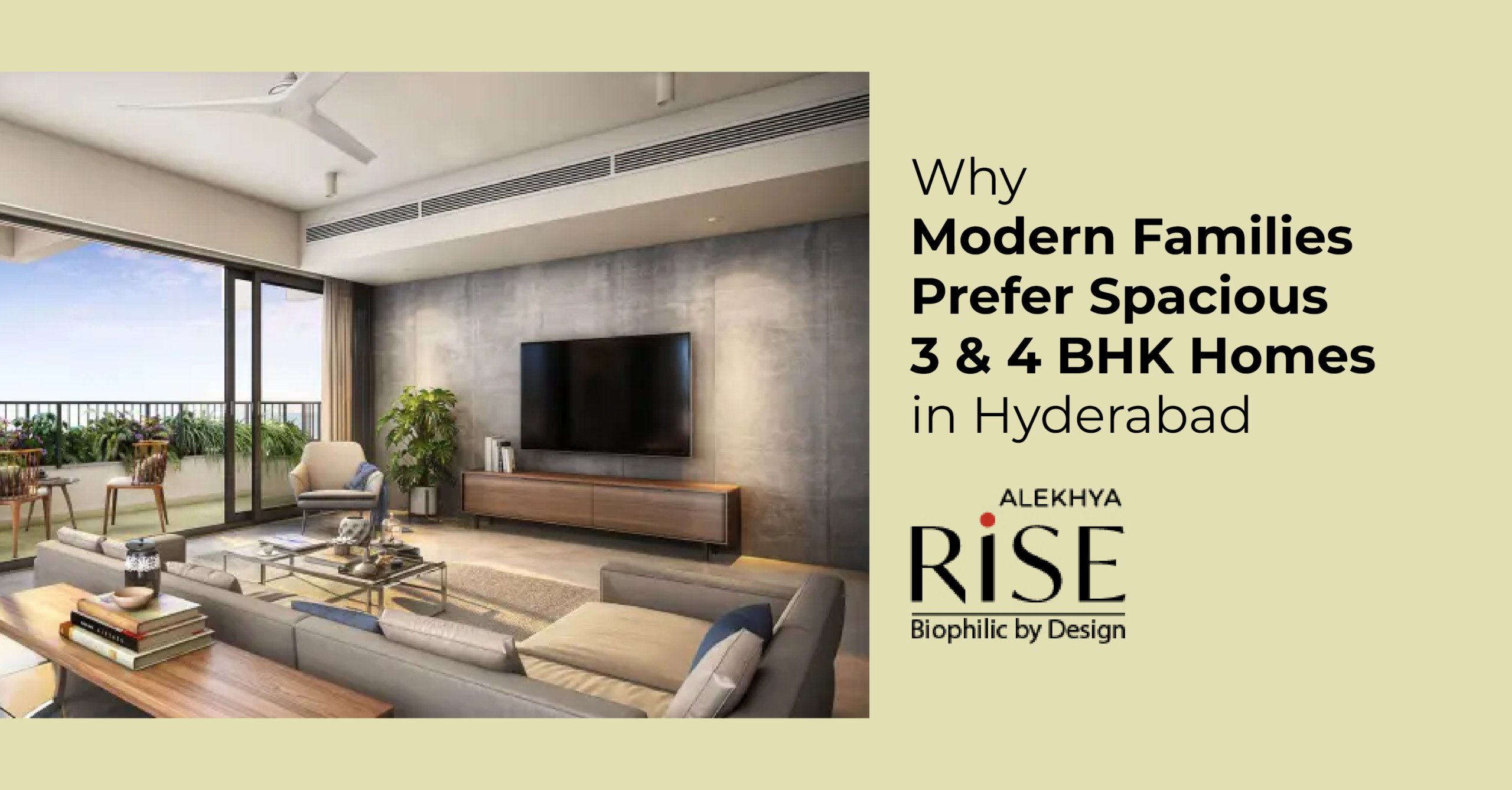
Top Reasons Modern Families Choose 3 & 4 BHK Homes in Hyderabad
If you think about it, the idea of a family home is a little
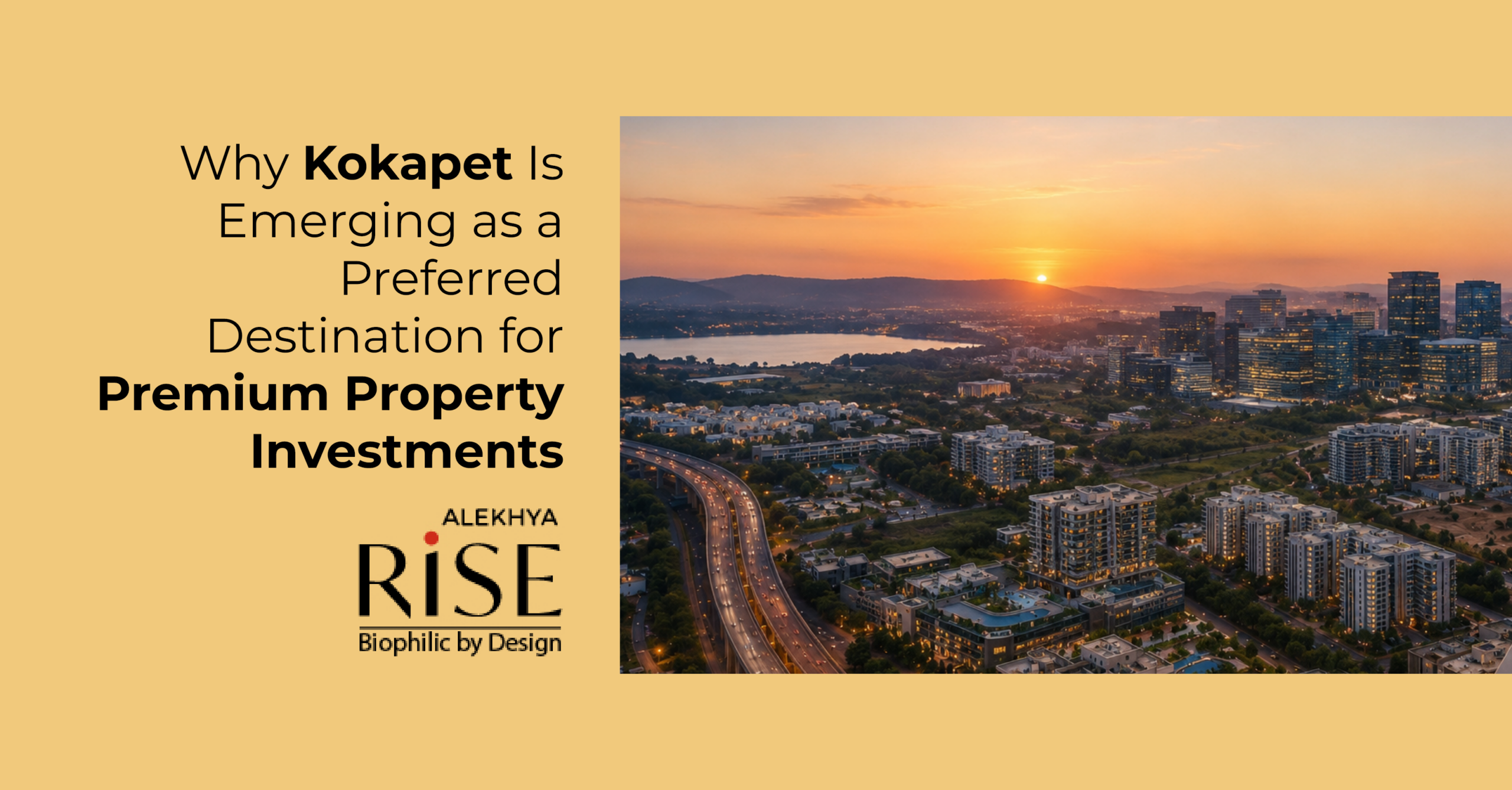
Why Kokapet Is Emerging as a Preferred Destination for Premium Property Investments
Why Kokapet Is Emerging as a Preferred Destination for Premium Property Investments Some locations grow
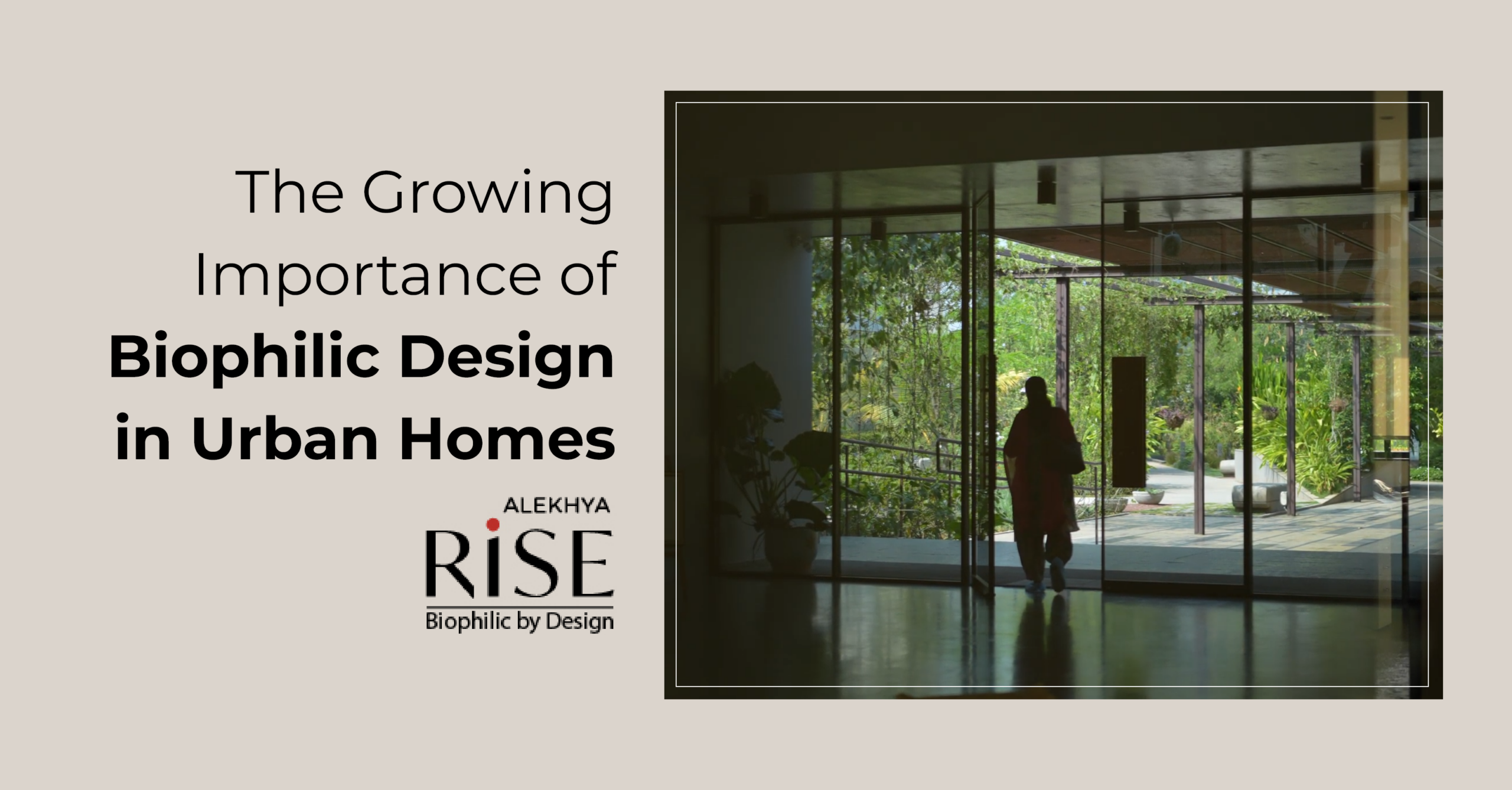
The Growing Importance of Biophilic Design in Urban Homes
There is a small change happening in the way people look at homes these
