
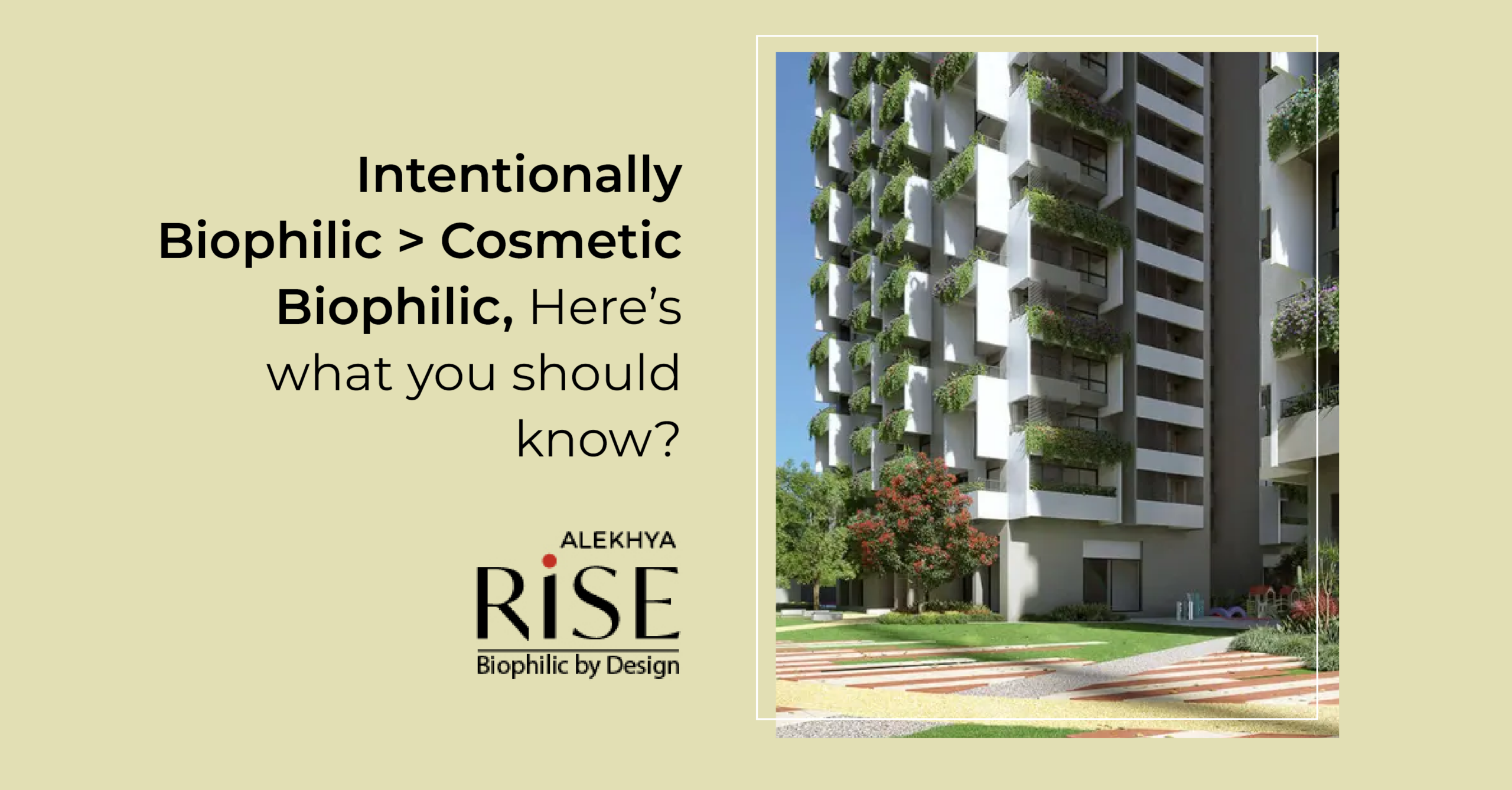
Intentionally Biophilic > Cosmetic Biophilic, Here’s what you should know?
There’s something confusing about the way “nature” shows up in modern spaces. It’s everywhere, but also not really there. Someone hears the term biophilic design and imagines plants, sunlight, maybe a water feature in the lobby. That seems right at first. But then the question quietly sits there, does adding a few green things really make a place feel alive? That’s where the difference between intentionally biophilic and cosmetic biophilic starts to matter. Not as a rule, not as a design theory to memorize, but more like a feeling you either notice or you don’t.
When Nature Is Just Decoration
A lot of spaces today lean toward what can be called cosmetic biophilic. It looks nice. There are indoor plants, maybe a green wall, maybe wooden textures. It photographs well. It feels like something that belongs in a brochure for best luxury apartments in Hyderabad or a listing for premium apartments in Hyderabad. But after a while, something feels slightly off. The plants don’t change how the air feels. The light still feels artificial. The space doesn’t really breathe. It’s like nature has been invited in, but only to sit quietly in a corner and not touch anything. This kind of design isn’t wrong. It just stays on the surface. It doesn’t ask deeper questions about how people live inside the space. At Alekhya Rise, we have shaped every home around this idea, where light, air, and space are not added later but thoughtfully built into everyday living.
When Nature Is Built Into The Experience
Intentionally biophilic feels different. Even if it’s harder to explain at first. It’s not about adding nature after the design is done. It’s about starting with nature in mind, how light moves through a room, how air flows, how materials age, and how silence and sound behave. It’s closer to what people mean when they talk about biophilic architecture or the deeper side of the biophilic design concept. In these spaces, nature isn’t decoration, it shapes everything. A room might feel cooler without relying too much on machines. A window might be placed not for symmetry, but for the way morning light slowly fills the space. Even the layout might encourage movement that feels natural rather than forced. It’s subtle. But it stays with you longer.
Why This Difference Matters More Now
There’s a quiet shift happening in how people look at homes. Especially in cities like Hyderabad, where new developments keep rising, apartments in Hyderabad, apartments for sale in Narsingi, or even gated community apartments in Kokapet. On paper, many of these places promise comfort. Words like ready to move in flats in Hyderabad or ready to occupy sound reassuring. There’s also a lot of focus on numbers, built up area / super built up area, lowest common area loading, or even claims like highest UDS in apartments. All of that matters, of course. But none of it really tells how a place feels when someone lives there for a year. That’s where intentional design quietly steps in. A home that follows a more biophilic design architecture approach might not always advertise it loudly. But it shows up in small, lived moments, like better sleep, less need for artificial cooling, or a kind of calm that doesn’t need explanation. At Alekhya Rise, we see this shift closely, which is why we’ve designed a biophilic high-rise community at Kokapet–Narsingi Road that quietly prioritizes how a home feels, not just how it looks on paper.
The Thought Behind Space
There’s also something personal in this idea. A person who cares about this, maybe even someone who could be called a biophile, doesn’t just want a good-looking home. They want a space that feels right over time. Not just a place to stay, but a place that responds. It’s the difference between walking into a flat that feels staged and walking into one that feels settled. Even in something like 3 BHK luxury apartments in Hyderabad or a 4 BHK apartment in Hyderabad, where space is already generous, the intention behind the design changes how that space is used. Without intention, bigger just feels emptier. With intention, even smaller spaces feel complete. And when such a home comes with a certificate of occupancy, it adds a layer of trust and assurance to that feeling. A ready to move in space further strengthens this connection, allowing people to step into a home that already aligns with their sense of comfort and belonging.
When Marketing And Meaning Overlap
Sometimes this line is blur. A brochure might talk about greenery, open spaces, and fresh air while promoting apartments for sale in Hyderabad. It might mention lower density, like lowest number of units per acre or even phrases like lowest number of square feet per acre, suggesting more openness. These ideas aren’t wrong. In fact, they can support intentional design. But they don’t guarantee it. A space can have fewer units and still feel disconnected from nature. It can have beautiful landscaping and still feel artificial inside the home. That’s the quiet difference between what’s shown and what’s actually experienced.
Slowing Down To Notice
Maybe the real shift isn’t in architecture alone. It’s in how people choose. Instead of asking only what a home has, there’s a different kind of question forming, how does this space live? Does it change with the day? Does it feel different in the evening than in the afternoon? Does it let in the outside world in a way that feels natural, not forced? These aren’t things listed next to ‘buy apartments in Hyderabad’ options or highlighted under ‘best apartments in Hyderabad’. But they’re the things that stay.
Where Design, Nature, and Everyday Living Come Together
At Alekhya Rise, we’ve brought together six high-rise towers rising 32 floors over 7.60 acres, right at the Kokapet–Narsingi stretch, creating a space where biophilic design is not just a concept but something you feel every day. We’ve planned spacious 3 and 4 BHK homes, with just two to three units per floor, so there’s a sense of openness that stays with you. From deep soil landscapes and a central spine to a 69,000 sq. ft. clubhouse and thoughtful amenities, everything here is designed to balance comfort, light, and a quieter, more natural way of living.
Final Thoughts
The difference between intentionally biophilic and cosmetic biophilic isn’t loud. It doesn’t sit in bold headlines or glossy images. One is about appearance. The other is about experience. Cosmetic choices make a space look closer to nature. Intentional choices make a space behave like it belongs to nature. And maybe that’s the simplest way to hold it in mind. Not as a rule, not as a checklist, but as a feeling that becomes clearer over time. A home doesn’t need to prove it’s connected to nature. It just needs to quietly feel like it is.

Related Posts
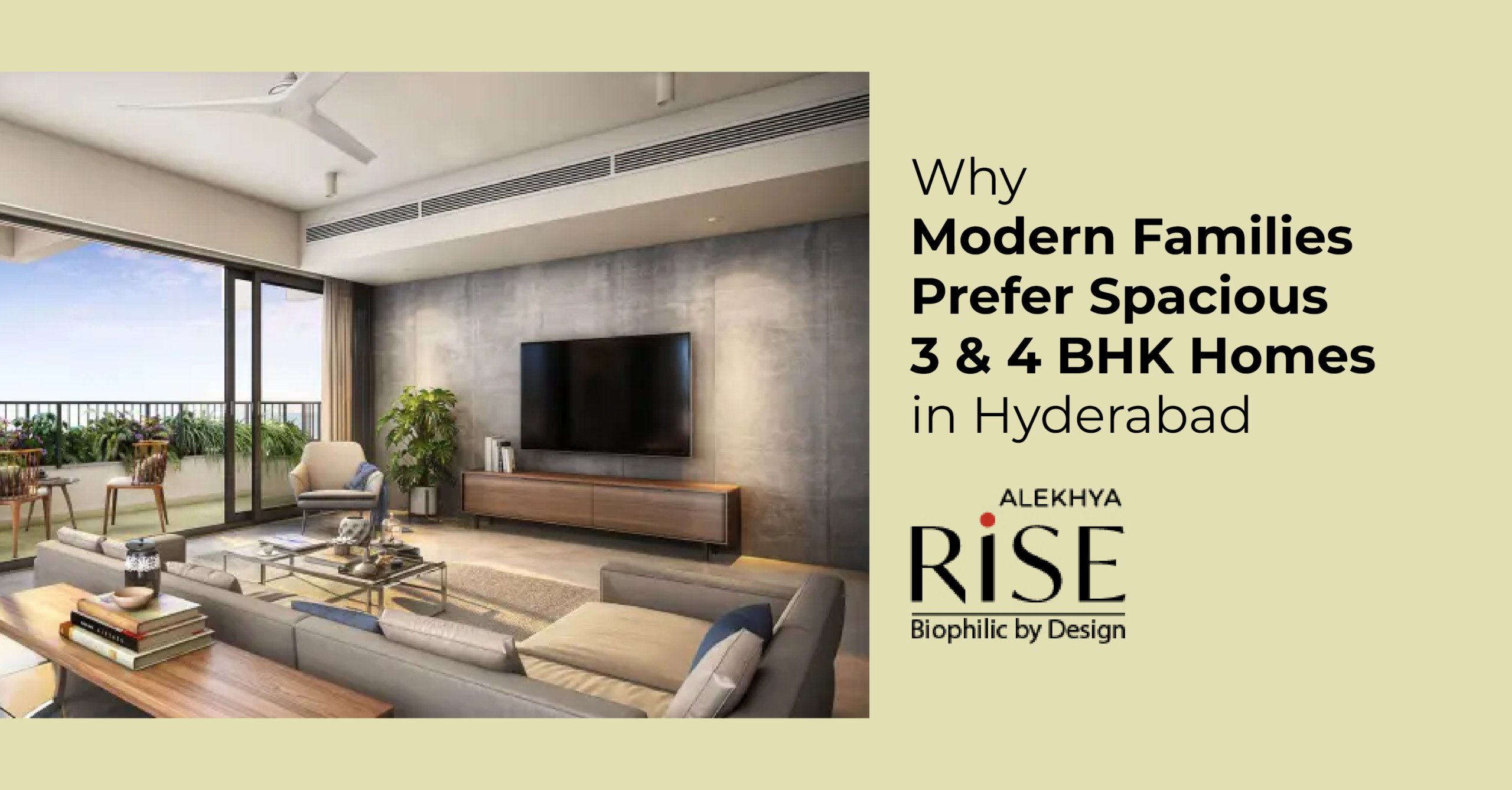
Top Reasons Modern Families Choose 3 & 4 BHK Homes in Hyderabad
If you think about it, the idea of a family home is a little
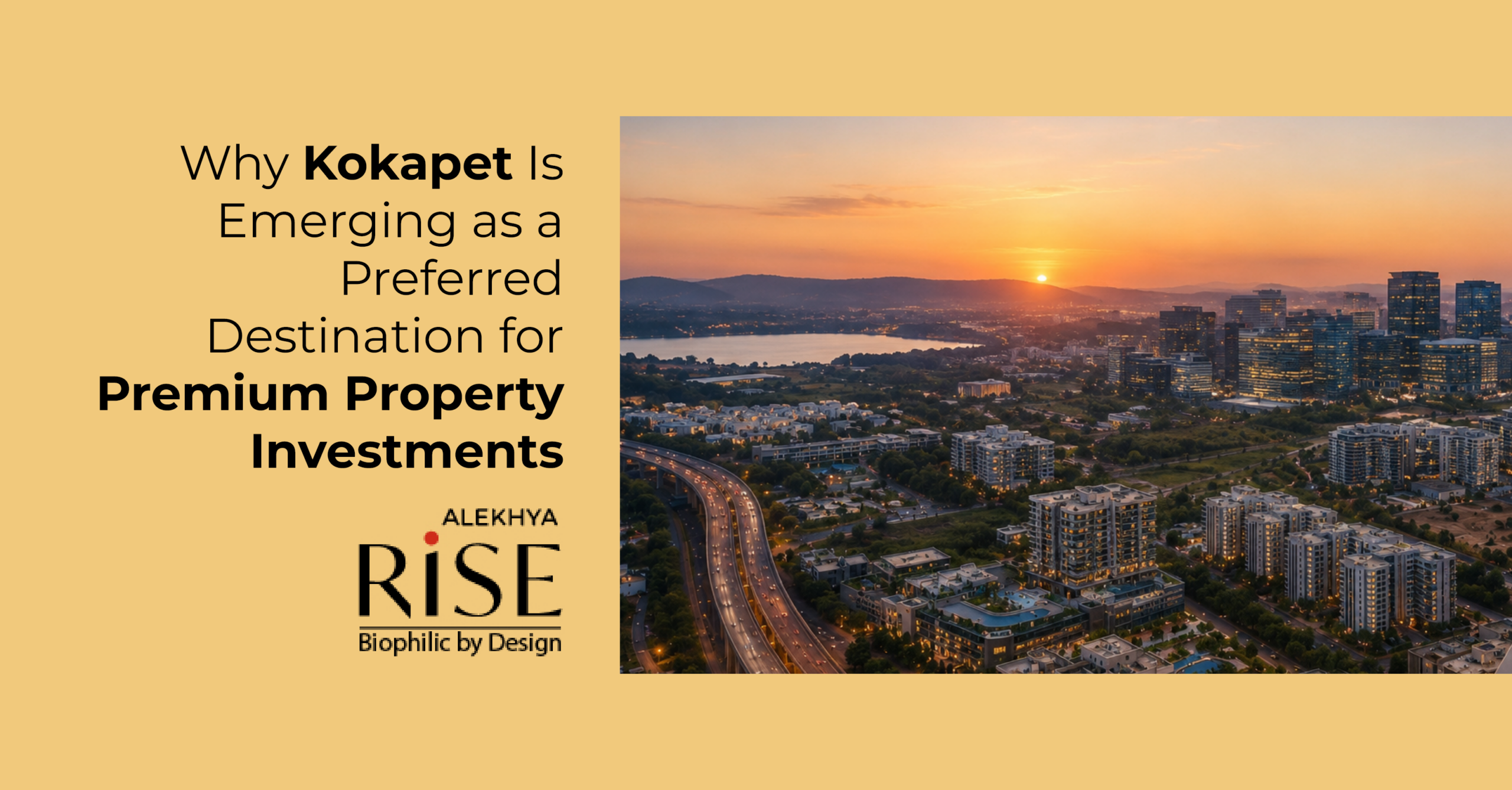
Why Kokapet Is Emerging as a Preferred Destination for Premium Property Investments
Why Kokapet Is Emerging as a Preferred Destination for Premium Property Investments Some locations grow
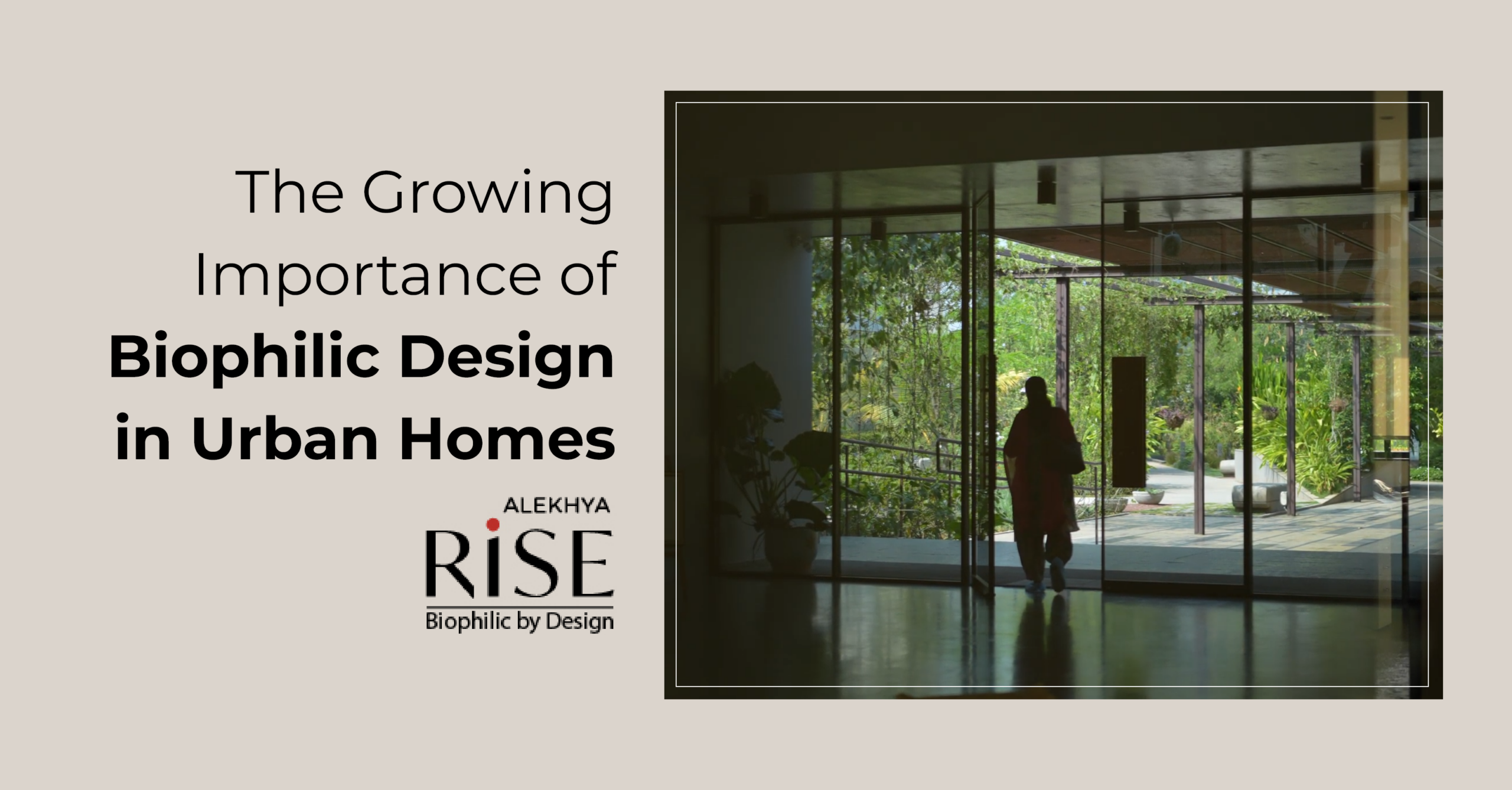
The Growing Importance of Biophilic Design in Urban Homes
There is a small change happening in the way people look at homes these
