
Ever Wondered Why Most Highrises Have Plants But Never Trees?
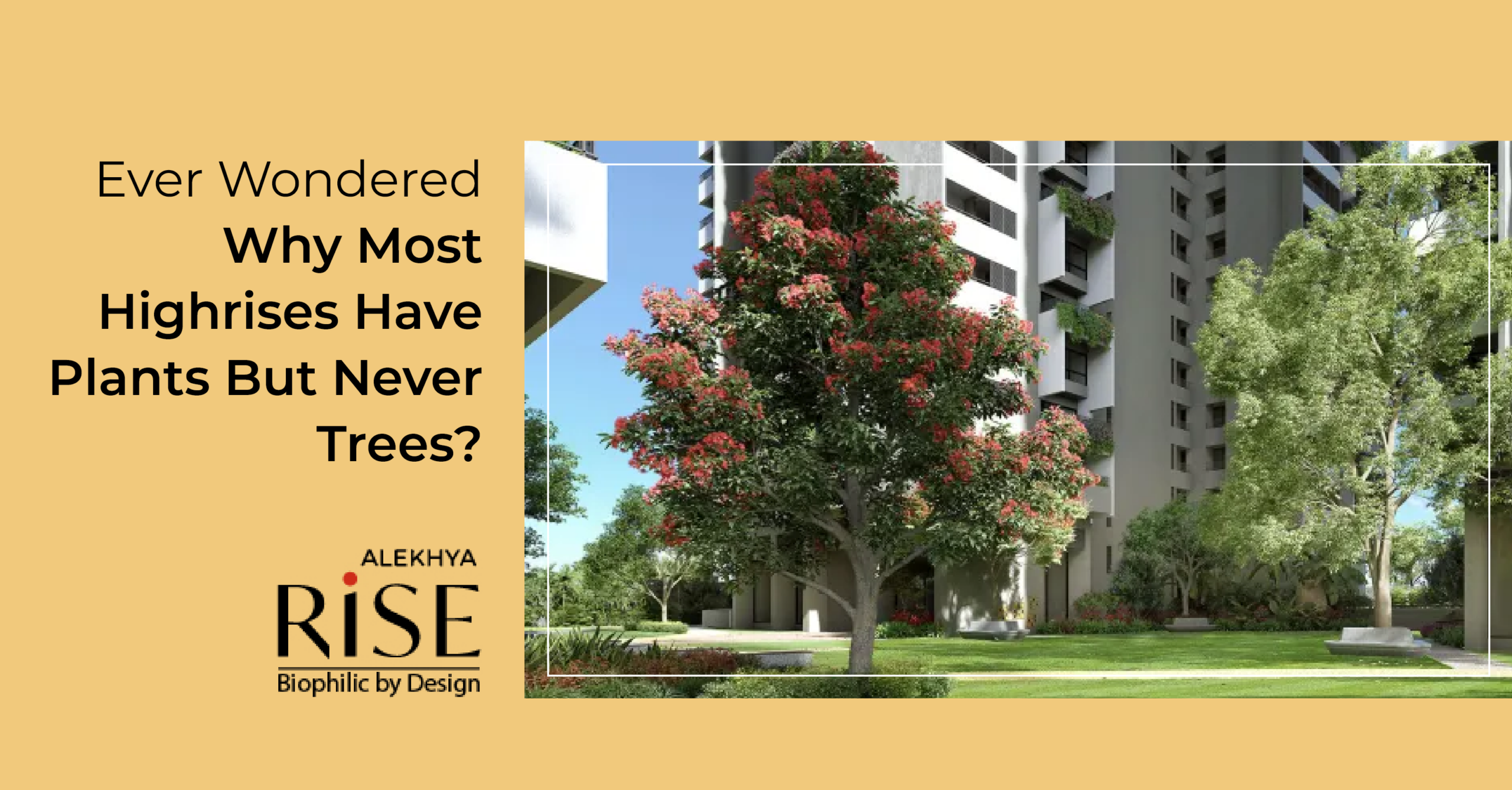
It usually starts as a small observation. A walk past a cluster of highrises, maybe in a part of the city that’s trying to look greener than it really is. Balconies have potted plants, sometimes a trailing vine, sometimes a neat row of identical shrubs. Rooftops might even have a little garden if the building is proud of it. But there are almost no trees. Not the kind with thick trunks, messy branches, and roots that go wherever they want. The kind that feel like they belong to the ground, not a container. And once that thought lands, it doesn’t quite leave. Why plants everywhere, but no real trees?
The Problem With Trees
Trees are not polite. That sounds strange at first, but it makes sense the longer it sits. A tree doesn’t stay within boundaries. Its roots spread out, searching for water, pushing through whatever is in the way. Its branches grow toward light without asking permission. It sheds leaves, sometimes constantly. A highrise, on the other hand, is all about control. Every inch is measured. There’s something called built up area / super built up area, and it decides how space is divided and sold. There’s planning around structure, weight, drainage, and even how much shared space exists, sometimes described as lowest common area loading. A full-grown tree doesn’t really fit into that system. It’s not just about space above the ground. It’s what happens below. Roots need depth and freedom, not a concrete slab with a few feet of soil placed on top. Even if a tree is planted, it’s often limited, shaped, or replaced before it becomes what it naturally would.
When Green Is Meant To Be Seen
There’s another layer to this, and it feels more subtle. Plants in buildings are often about appearance. Not in a shallow way exactly, but in a controlled, visual way. A row of green pots on a balcony signals something calm, something cared for. It aligns with what people now call biophilic design, or sometimes biophilic architecture. The idea is simple enough. Humans feel better around nature. So buildings try to bring small pieces of nature inside them.
That’s where the biophilic design concept comes in. Add greenery, add light, maybe water features if possible. It creates a feeling without needing actual wilderness. But trees are harder to turn into design elements. They don’t stay small, and they don’t stay predictable. A plant can be replaced if it doesn’t match the aesthetic anymore, a tree, not so easily. At Alekhya Rise, we bring this philosophy to life across our 7.60-acre biophilic community in Kokapet–Narsingi, where six 32-floor towers are thoughtfully designed to connect residents with nature while maintaining modern luxury.
The Weight No One Talks About
There’s also something practical, though it doesn’t get mentioned as often in brochures or conversations. Trees are heavy. Not just the trunk and branches, but the soil they need to survive. When buildings are designed, every extra load matters. That’s why you’ll hear about things like the lowest number of square feet per acre or how efficiently space is used. It’s all part of balancing comfort, safety, and cost. Adding large trees to upper levels changes that balance. It’s not impossible, but it complicates things. It needs deeper structural planning, more maintenance, and sometimes more risk than developers are willing to take. So instead, smaller plants become the easier choice. They offer the look without the weight.
What Buyers Quietly Expect
There’s also the way people choose homes now. Someone looking at the best luxury apartments in Hyderabad, 3 BHK luxury apartments in Hyderabad, or even a 4 BHK apartment in Hyderabad is often shown images filled with greenery. Balconies, terraces, landscaped areas. It creates a sense of calm, even if the building is surrounded by busy roads. In listings for apartments in Hyderabad or apartments for sale in Hyderabad, greenery becomes part of the promise. It suggests a better lifestyle. But what’s being promised is controlled nature, something curated. Not a wild tree that drops leaves unpredictably or attracts birds that might be noisy.
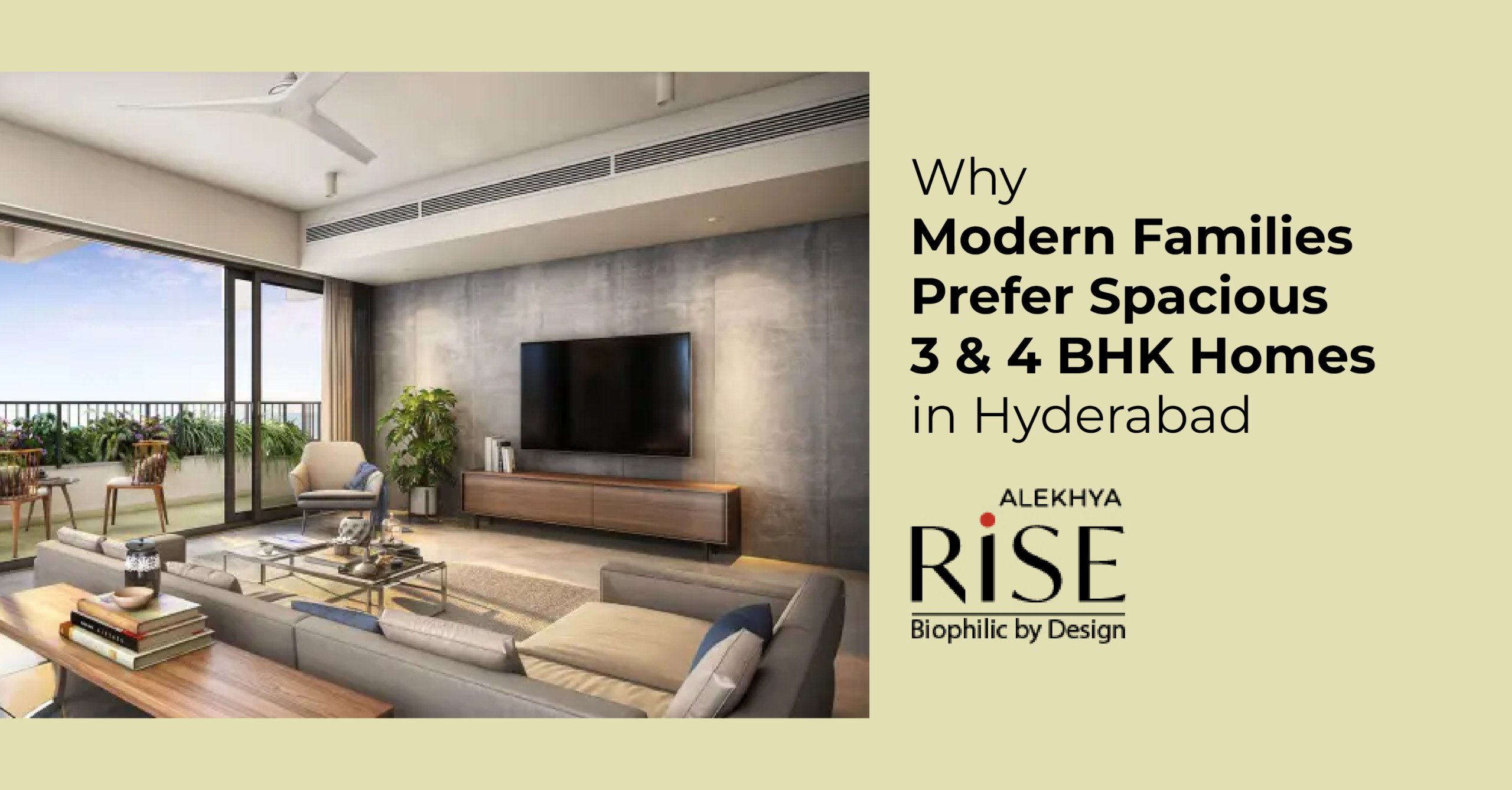
Even in places marketed as gated community apartments in Kokapet or newer developments like apartments for sale in Narsingi, the greenery is carefully chosen. It’s part of the design, not something that grows beyond it. We at Alekhya Rise, one of the best apartments in Hyderabad, understand this expectation, which is why our 3 & 4 BHK residences (ranging from 3565 to 6165 Sft) are crafted with expansive green views, double-height balconies, and a 69,000 Sft. clubhouse that blends wellness with everyday living.
The Idea Of Nature, Not Nature Itself
There’s a difference between being near nature and recreating it. A person who leans toward being a biophile might notice this more than others. There’s a quiet awareness that a potted plant, no matter how healthy, doesn’t quite feel like a tree rooted in the earth. Still, apartments in Narsingi try to bridge that gap through biophilic design architecture. It’s not about replacing nature entirely, but about bringing fragments of it into daily life. And maybe that’s the compromise. Because cities grow upward, not outward. Land becomes expensive. Projects talk about highest UDS in apartments or try to offer things like the lowest number of units per acre to feel more spacious. In all of this, nature gets reshaped into something that fits.
A Small Trade-Off That Stays Invisible
Most people don’t question it too much. When looking to buy an apartment in Hyderabad or premium apartments in Hyderabad, details like whether a flat is ready to occupy or ready to move-in matters more. Things like a certificate of occupancy feel more urgent. Even searches for ready to move in flats in Hyderabad focus on convenience and timing. The absence of trees doesn’t come up as a dealbreaker. Maybe because the presence of plants is enough to fill that gap, at least on the surface.
Where Nature Meets Thoughtful Living
At Alekhya Rise, we’ve shaped more than just homes, we’ve created a living, breathing environment rooted in biophilic design. Spread across 7.60 acres with six high-rise towers, its spaces open into landscaped greens, a central spine, and curated outdoor zones like yoga courts and amphitheatres. With low-density planning, expansive layouts, and abundant natural light, we bring comfort, community, and nature into everyday living.
Final Words
So the pattern starts to make sense. Trees need freedom, space, and time. Highrises are built on limits, structure, and efficiency. Plants sit somewhere in between, easy to shape, easy to maintain, easy to replace. That’s why they appear everywhere. Not because people don’t like trees, but because trees don’t fit easily into the way buildings are designed and sold. And once that is seen clearly, those balconies filled with plants start to look a little different. Not worse, just more intentional, like a version of nature that has been gently edited to fit the space it’s given.

Related Posts
Top Reasons Modern Families Choose 3 & 4 BHK Homes in Hyderabad
If you think about it, the idea of a family home is a little
Why Kokapet Is Emerging as a Preferred Destination for Premium Property Investments
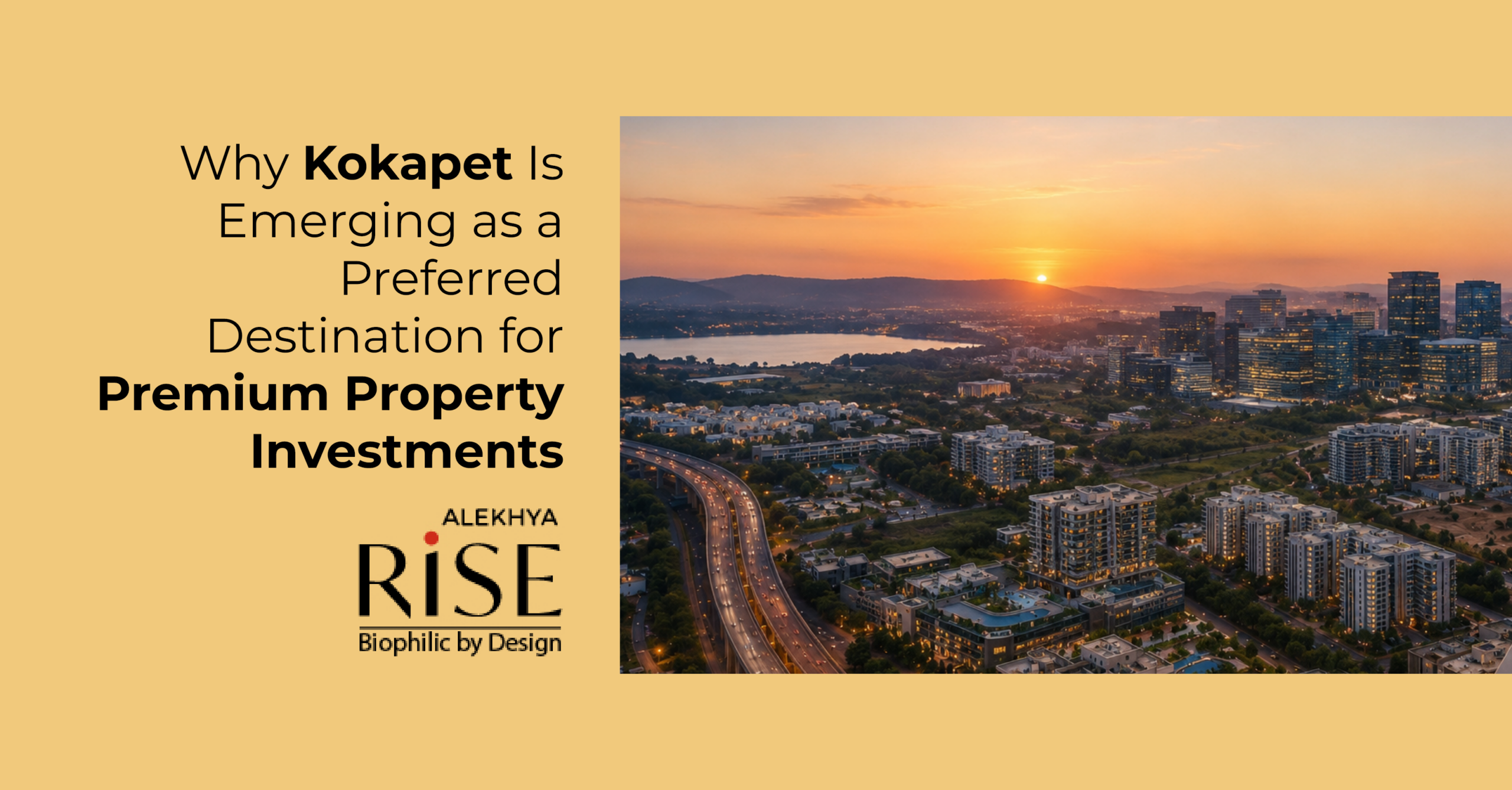
Why Kokapet Is Emerging as a Preferred Destination for Premium Property Investments Some locations grow
The Growing Importance of Biophilic Design in Urban Homes
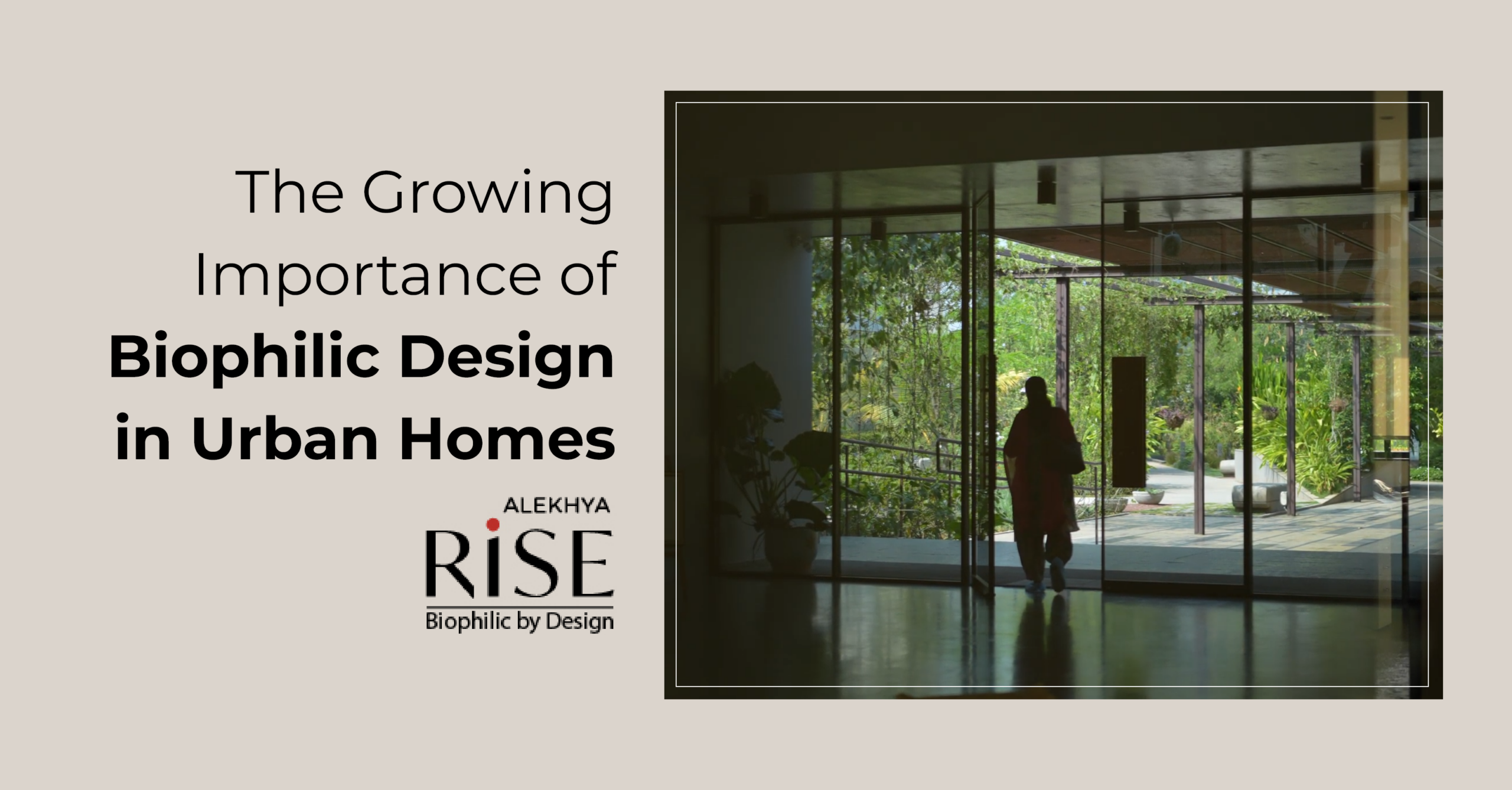
There is a small change happening in the way people look at homes these
