
Cosmetic Green vs Real Biophilia – Do You Know Which One You’re Buying?
There’s something a little confusing about how “green” is being sold these days. It shows up everywhere – on buildings, in brochures, even in the way homes are described. Plants in balconies, a vertical garden near the entrance, maybe a rooftop lawn. It all looks fresh at first glance. But after sitting with it for a while, a quiet question comes up. Is this really nature, or just decoration pretending to be it? That’s where the difference between cosmetic green and real biophilia starts to matter, even if no one explains it clearly.
When Green Becomes A Surface Detail
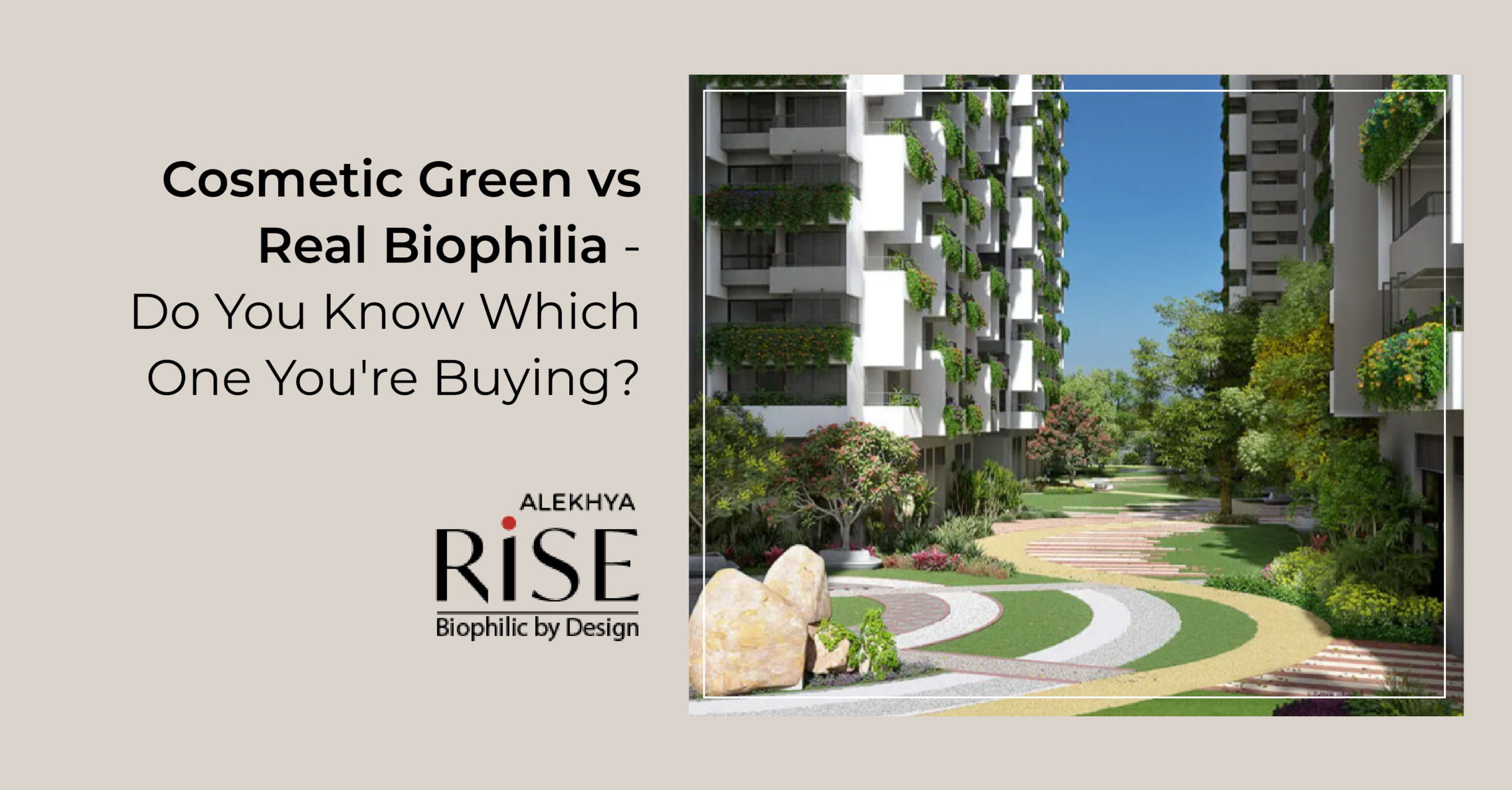
A lot of what gets called green today is really just surface-level. A few potted plants, maybe some artificial turf, and suddenly a space feels “eco-friendly.” It’s not exactly false, but it’s not deeply true either. This kind of cosmetic green is easy to spot once it’s noticed. It doesn’t change how a place feels over time. It doesn’t make mornings quieter or evenings calmer. It just looks nice in photos. Even in real estate listings, especially when browsing apartments in Hyderabad or checking out the best apartments in Hyderabad, there’s often a heavy focus on greenery as a visual feature. But rarely is there a pause to ask how that greenery actually lives with the people inside. It starts to feel like something added at the end, not something thought through from the beginning. At Alekhya Rise, we don’t treat greenery as an afterthought, we shape spaces where nature becomes part of everyday living, and not just a visual layer.
What Real Biophilia Actually Feels Like
Real biophilia is harder to explain, but easier to feel. It’s not just about plants. It’s about how a space connects with natural light, air, and even silence. A home designed with the biophilic design concept in mind doesn’t try too hard to look green. It just feels right. Windows are placed where light naturally falls. Air moves through rooms without needing to be forced. There’s a sense that the outside hasn’t been shut out completely. This is where biophilic architecture quietly stands apart. It doesn’t decorate with nature; it builds with it. In some newer projects, especially in premium apartments in Hyderabad or the best luxury apartments in Hyderabad, there’s a visible shift toward this thinking. Not always perfectly done, but at least there’s an attempt to move beyond just appearances. Still, it’s easy to confuse the two unless attention is paid. We have designed Alekhya Rise around this very idea, where light, air, and open views are not added features but the foundation of how each home is experienced.
The Subtle Clues People Often Miss
Sometimes the difference shows up in small, almost technical details. Things that don’t sound poetic but actually shape how a space feels. Take something like the built up area / super built up area. It’s usually discussed in terms of cost, but it also hints at how much real, usable space is available. A place with too much shared or artificial space might look grand but feel oddly disconnected, or terms like lowest common area loading and highest UDS in apartments. These aren’t just numbers. They quietly reflect how much of the property truly belongs to the resident versus how much is shared or constructed for show. Even phrases like lowest number of units per acre or lowest number of square feet per acre start to matter. Less crowding often means more breathing space, something that aligns closely with what a biophile would naturally look for, even without knowing the term. These details don’t scream “green,” but they often tell a more honest story than a rooftop garden ever could.
Where Marketing Starts To Blur The Line
It gets a bit trickier when marketing steps in. Words like green cosmetics or “eco-living” are used so freely that they begin to lose meaning. A listing for a 4 BHK apartment in Hyderabad might highlight landscaped pathways and water features. Another for 3 BHK luxury apartments in Hyderabad might talk about open spaces and green zones. But without understanding how those spaces are integrated, it’s hard to know if it’s real or just a presentation. Even in areas like gated community apartments in Kokapet or apartments in Narsingi, where newer developments are coming up fast, the difference isn’t always obvious on paper. Everything sounds thoughtful. Everything looks well-designed. But not everything is built with the same intention.
Living With It Is Different From Looking At It
There’s a quiet shift that happens after moving into a space. What once looked impressive starts to feel either comforting or slightly off. Homes that lean toward biophilic design architecture tend to age better in that sense. Not in a physical way, but in how they continue to feel over time. Morning light still matters. The air still moves. Spaces don’t feel heavy. On the other hand, places built around cosmetic green can start to feel a bit staged after a while. The plants remain, but the connection doesn’t deepen. Even practical labels like ready to move in or ready to occupy don’t say much about this experience. Neither does having a certificate of occupancy. These ready to move in flats in Hyderabad confirm readiness, not livability. And that difference only becomes clear after some time is spent inside.
What Someone Might Actually Look For
There’s no perfect checklist for this, and maybe there shouldn’t be. But a thoughtful buyer, someone trying to buy an apartment in Hyderabad without getting lost in surface details, might begin to notice a few things differently. Not just how green a place looks, but how it breathes. Not just how much space is advertised, but how it feels when standing still inside it. This is where the idea of biophilic design quietly comes in, shaping spaces that feel more connected to nature and, in turn, more connected to us. Even listings for apartments for sale in Hyderabad or apartments for sale in Narsingi start to read differently when seen through this lens. The language begins to separate itself into what’s shown and what’s lived. And slowly, the gap between the two becomes easier to recognize.
Where Living Feels Naturally Complete
At Alekhya Rise, we’ve shaped a biophilic high-rise community across 7.60 acres along Kokapet–Narsingi Road, right by the ORR junction. With six 32-floor towers and thoughtfully planned 3 & 4 BHK homes, we focus on space, light, and connection to nature. From expansive green landscapes to a 69,000 sq. ft. clubhouse, we’ve created a place where everyday living feels open, calm, and quietly elevated.
Final Thoughts
In the end, this isn’t really about choosing between two terms. It’s about noticing the difference between something that’s added on and something that’s built in. Cosmetic green isn’t necessarily bad. It can still make a place look pleasant. But it doesn’t go very deep. Real biophilia, on the other hand, doesn’t always announce itself. It stays quieter, but it tends to stay longer too. And maybe that’s the simplest way to tell them apart. One is seen quickly and fades just as fast. The other takes a little time to notice, but once it’s felt, it’s hard to ignore.

Related Posts
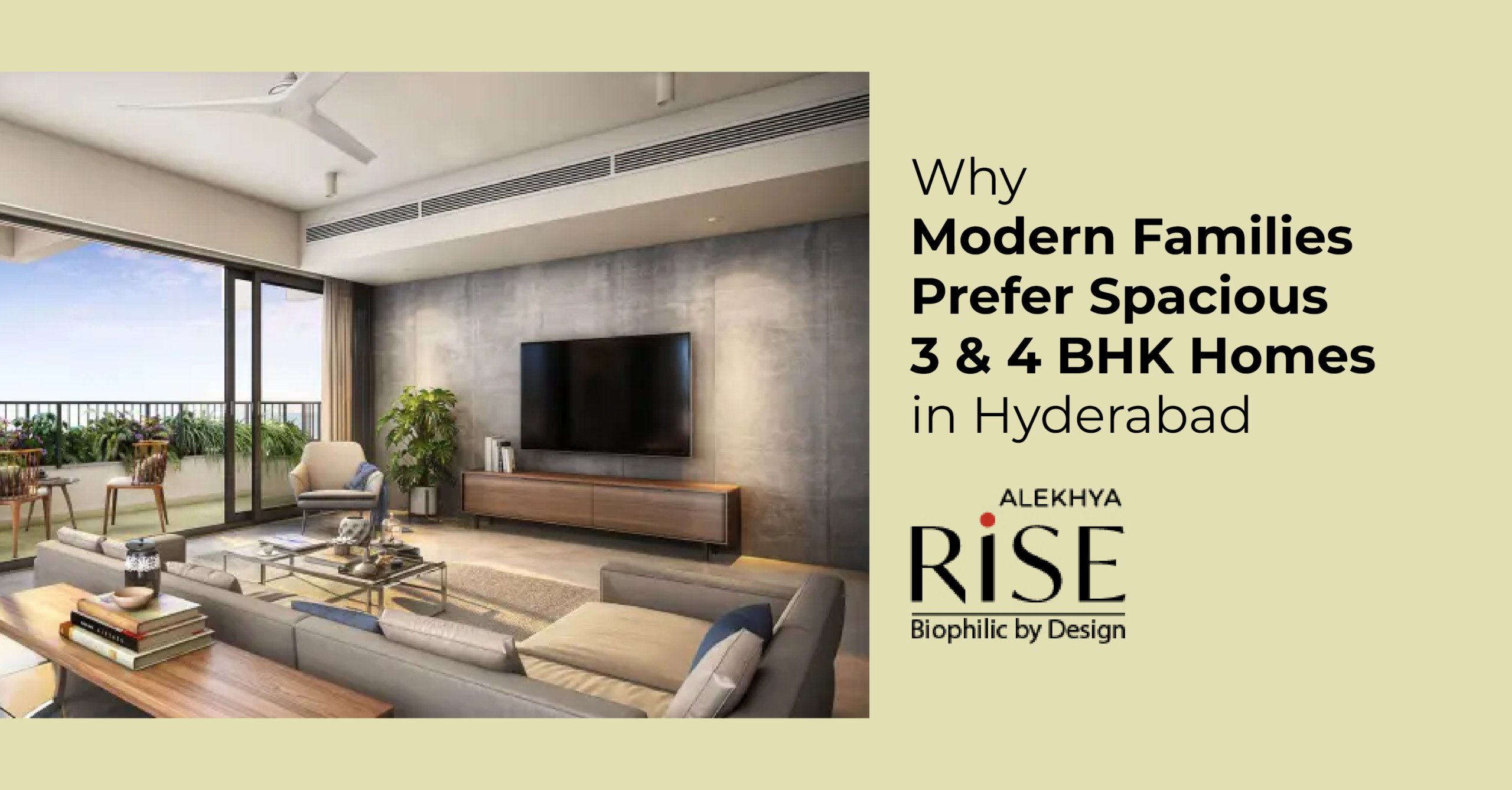
Top Reasons Modern Families Choose 3 & 4 BHK Homes in Hyderabad
If you think about it, the idea of a family home is a little
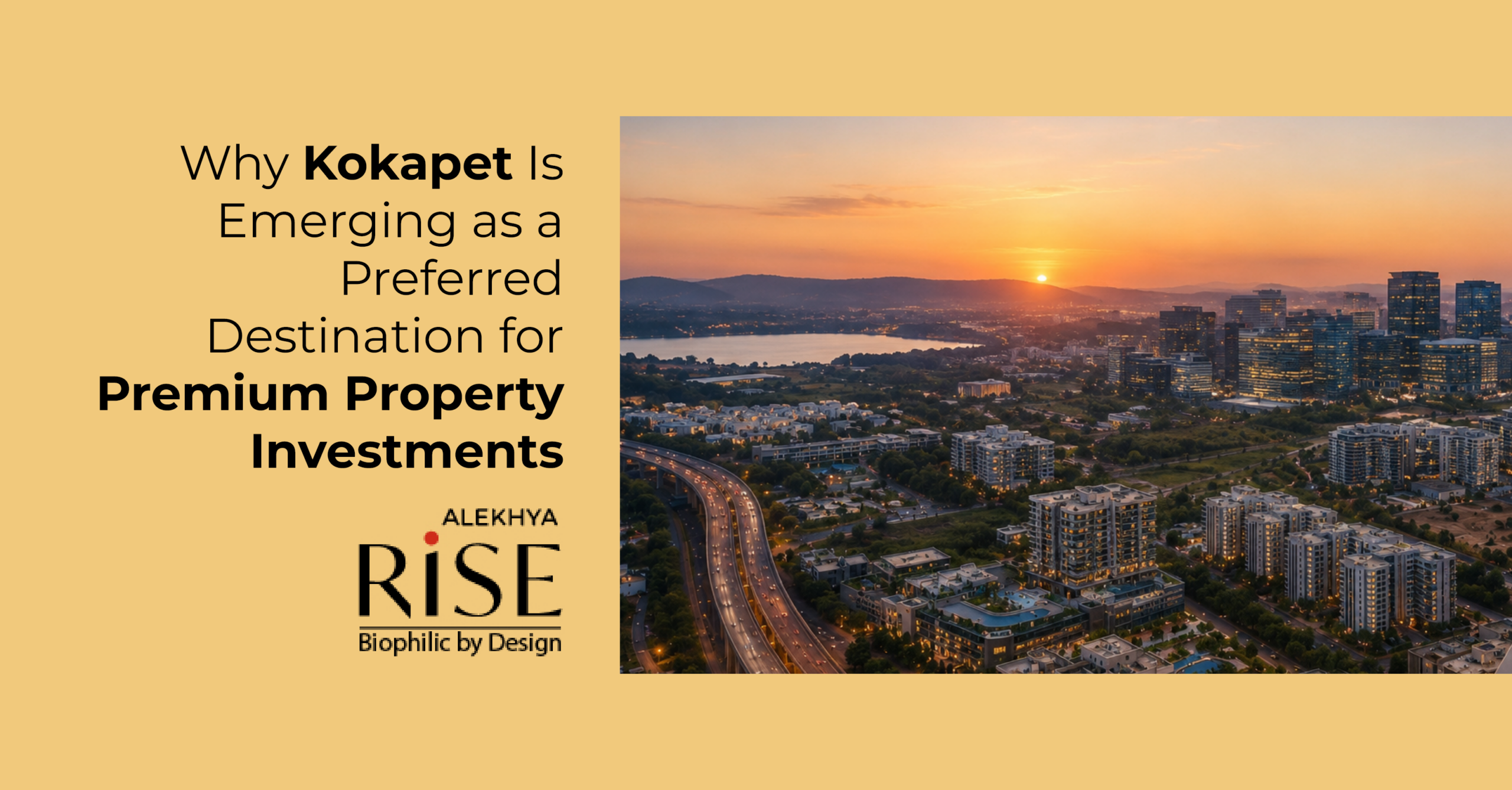
Why Kokapet Is Emerging as a Preferred Destination for Premium Property Investments
Why Kokapet Is Emerging as a Preferred Destination for Premium Property Investments Some locations grow
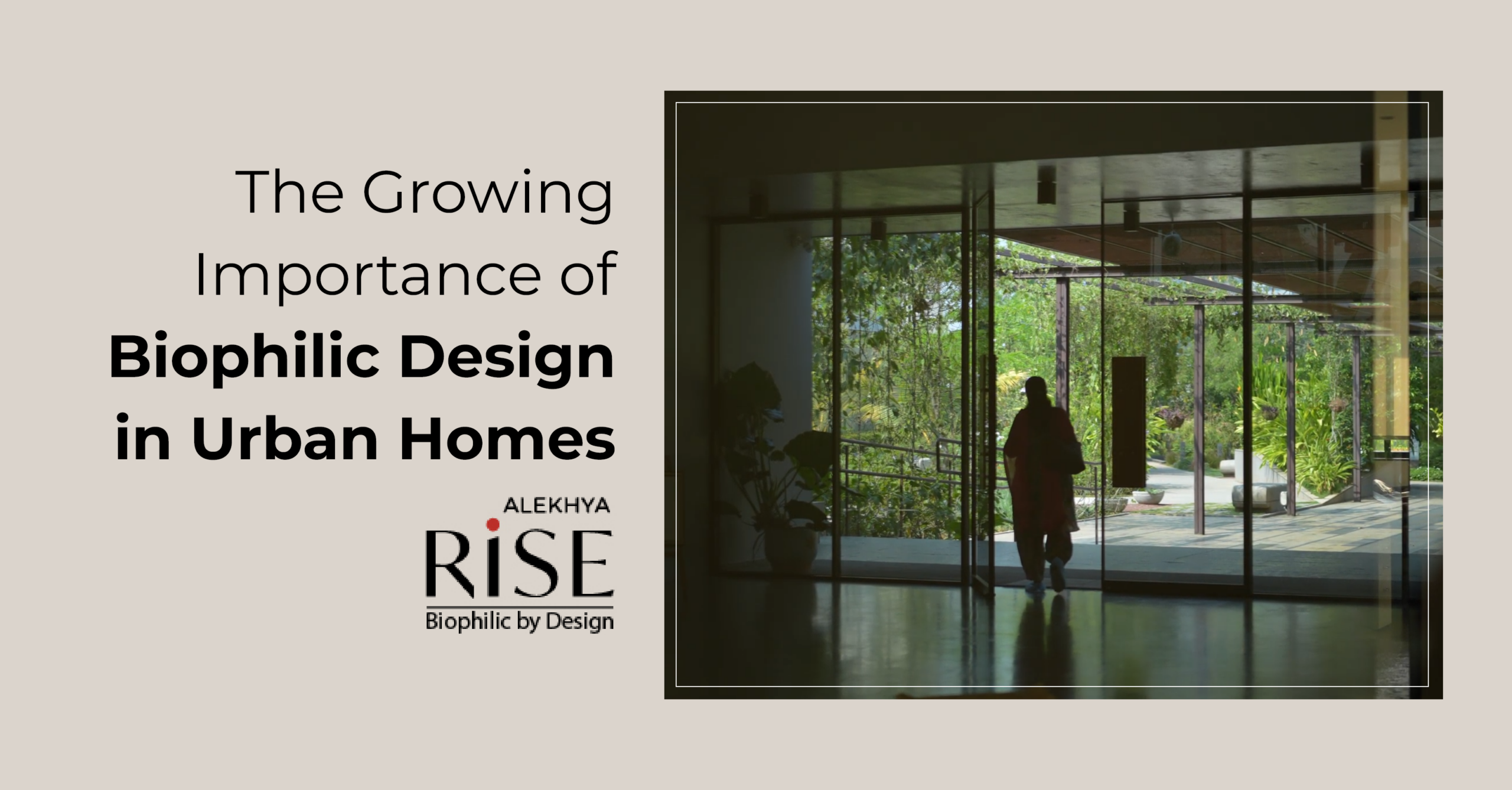
The Growing Importance of Biophilic Design in Urban Homes
There is a small change happening in the way people look at homes these
