
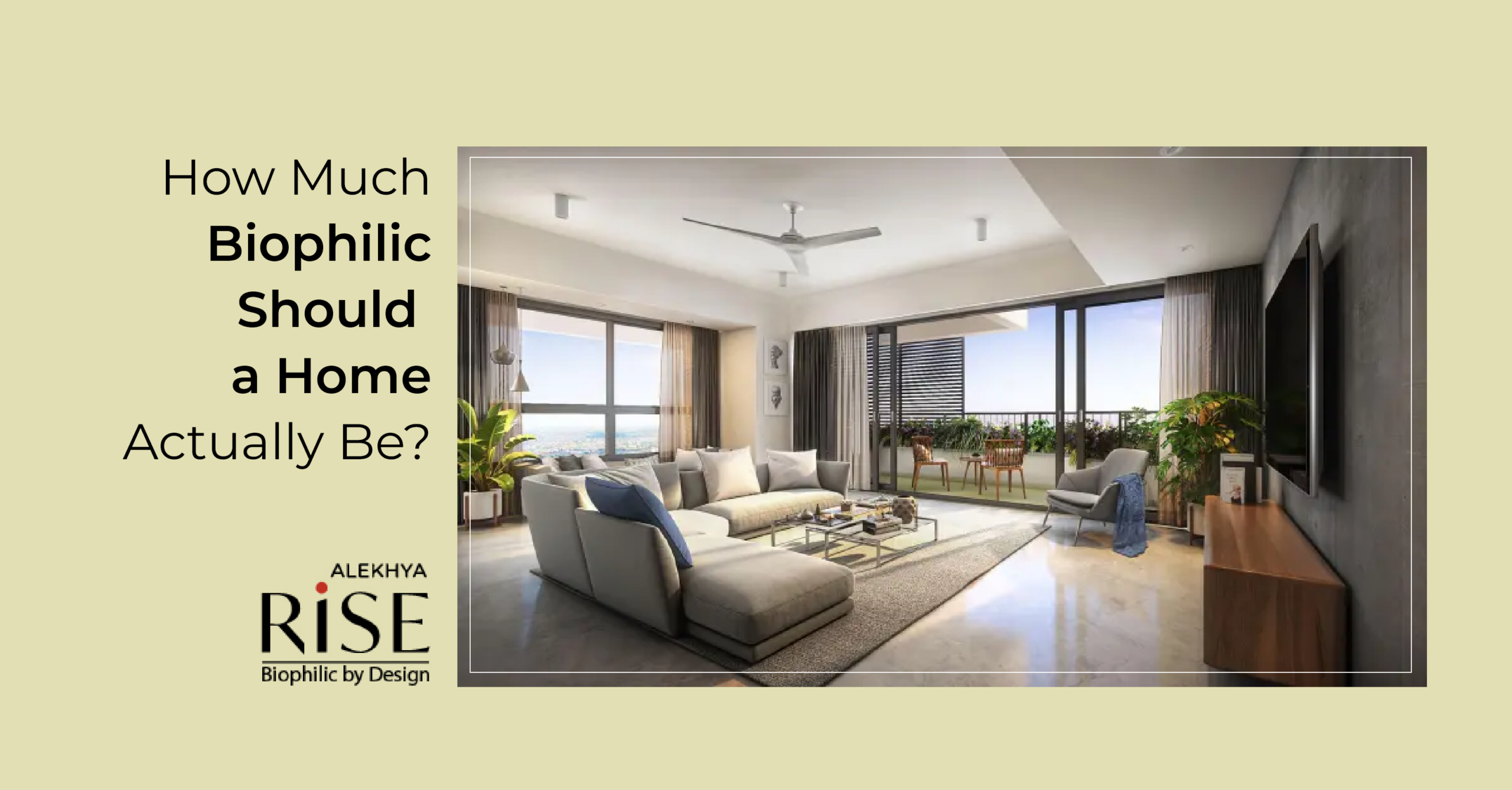
How Much Biophilic Should a Home Actually Be?
Walk into any new residential project today and you’ll hear the same word repeated: biophilic.
Green walls. Landscaped decks. Terrace gardens. The promise sounds appealing. But it also raises a practical question.
How much biophilic design does a home actually need?
Because there is a difference between adding plants to a project and designing a home that genuinely connects you with nature. Most buyers sense that difference, even if they can’t always define it.
What Is Biophilic Design, Really?
The biophilic design concept comes from a simple idea. Humans have an inherent connection with nature. A biophile is someone who naturally seeks that connection.
Biophilic design architecture tries to bring that into built spaces.
But this is not about decoration.
True biophilic architecture focuses on how a space feels over time. It looks at:
- how light moves through a room
- how air flows across spaces
- how materials respond to temperature and use
- how greenery is integrated, not added
When done right, it doesn’t feel like a “feature.” It becomes part of everyday living.
That is the difference most people notice without realising why.
The Problem With "Surface-Level" Biophilic Design
Not every project that claims biophilic design actually delivers it.
Some developments treat it as an add-on:
- a few planters in common areas
- a landscaped entry
- decorative green walls
These elements look good during a site visit. But they don’t change how the home works.
The real test is simple.
Do you feel the difference inside the home?
If the answer is no, the design is likely superficial.
Homes built around genuine biophilic design architecture behave differently. They feel cooler. They have better airflow. They feel less enclosed, even in high-rise settings.
That experience cannot be faked.
How Much Biophilic Design Is Enough?
More greenery does not automatically mean better design.
Balance matters.
Too little biophilic thinking makes a home feel closed. Too much can feel impractical or forced, especially in urban apartments.
A well-designed home sits somewhere in between.
It allows nature to enter space without overwhelming it.
Light and Ventilation Come First
Large openings, cross ventilation, and thoughtful orientation matter more than decorative landscaping.
A home that receives consistent daylight will always feel more connected to the outdoors than one filled with artificial elements.
Ventilation works the same way.
Air should move through the home without relying entirely on mechanical systems. When this is done right, even 3 BHK luxury apartments in Hyderabad can feel open and breathable throughout the day.
Space Planning Matters More Than Add-Ons
Wide corridors, uncluttered layouts, and visual openness create a sense of calm. This is often more effective than adding greenery later.
This is also where factors like:
- Built up area / super built up area
- Lowest common area loading
Start becoming important.
A home with excessive loading or cramped planning will not feel biophilic, regardless of how many plants are added.
Density Shapes the Experience
Lower density allows:
- More open space
- Better light access
- Less visual congestion
Metrics like:
- Lowest number of units per acre
- Lowest number of square feet per acre
- Highest UDS in apartments
They are not just technical terms. They influence how spacious a community feels over time.
In high-density projects, even well-designed units can feel boxed in. In lower-density environments, the entire community breathes better.
Greenery Should Be Lived, Not Seen
It is about interacting with them.
Balconies that allow real use. Landscaped pathways that encourage walking. Outdoor spaces that are not just decorative.
When greenery becomes part of daily routines, the design starts to make sense.
That is when it moves beyond aesthetics.
Biophilic Design in Hyderabad's Apartment Market
Earlier, buyers focused on location and price. Today, there is more awareness around planning, space, and quality of living.
This is especially visible in areas like Kokapet and Narsingi.
Projects offering:
- Gated community apartments in Kokapet
- Apartments for sale in Narsingi
are now competing on design experience, not just specifications.
Buyers looking for the best apartments in Hyderabad are asking different questions:
- How open does the layout feel?
- Is there enough natural light?
- Does the community feel crowded?
This shift is pushing developers to rethink how biophilic architecture is applied.
What Buyers Should Actually Look For
Instead of asking whether a project is “biophilic,” ask how it functions.
Start with the basics:
- Does the home receive good natural light?
- Is there cross ventilation?
- Are open spaces usable or just visual?
Then look deeper.
Projects with:
- lower density
- higher UDS
- better space planning
will naturally feel more aligned with biophilic design.
Even when comparing options like a 4 BHK apartment in Hyderabad or premium apartments in Hyderabad, these factors often matter more than finishes.
The Role of Ready-to-Move and Occupied Homes
Visit a completed project.
Ready to occupy or ready to move in flats in Hyderabad show how the design performs in real conditions. Marketing visuals cannot replicate that.
Look at:
- how light enters during different times of the day
- how common spaces are used
- how ventilation works when homes are actually occupied
Also check for essentials like the certificate of occupancy. It ensures that what was promised has been delivered.
These details matter.
Why Biophilic Design Is Not a Trend
It isn’t.
Urban living is becoming denser. Homes are getting more compact in many areas. In that context, biophilic design becomes more relevant, not less.
It is not about luxury. It is about livability.
That is why buyers exploring apartments for sale in Hyderabad today are looking beyond square footage.
They want homes that feel better to live in, every day.
How Alekhya Homes Look Into Biophilic Living
For us, it starts much earlier in the process.
We don’t treat nature as something to be added later. We plan for it from the beginning. From how buildings are spaced to how light moves through each home, every decision is connected to how the space will feel over time.
We focus on lower density, better UDS, and layouts that remain open even as families grow into them. That is how we approach premium apartments in Hyderabad, not as isolated units, but as part of a larger living environment.
That is also why our communities are designed to feel lived-in, not just designed.[
Conclusion
The right balance is not about adding more greenery. It is about creating homes that feel open, breathable, and connected to their surroundings.
When that balance is right, you notice it immediately.
And you continue to feel it, long after the first visit.

Related Posts
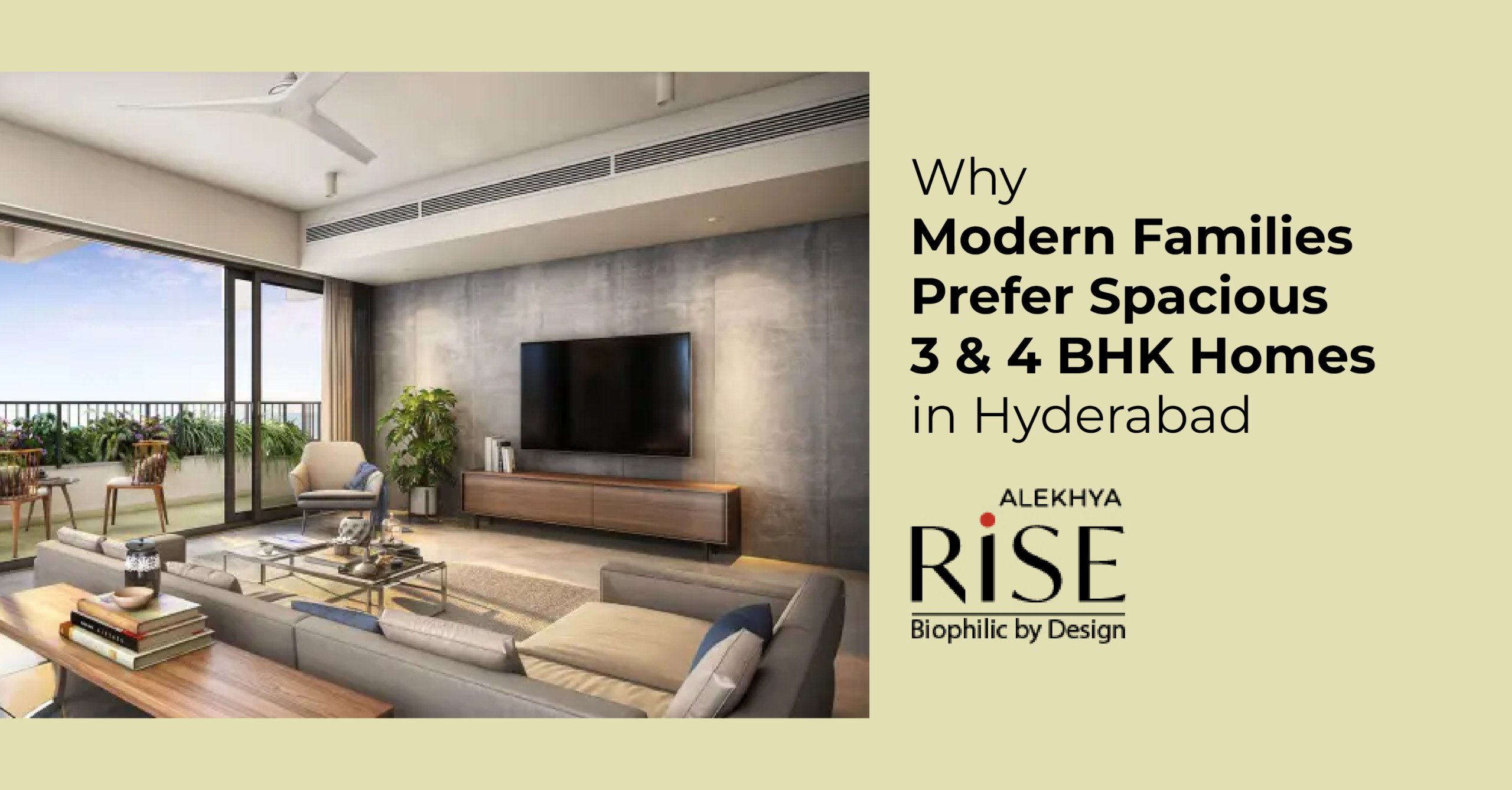
Top Reasons Modern Families Choose 3 & 4 BHK Homes in Hyderabad
If you think about it, the idea of a family home is a little
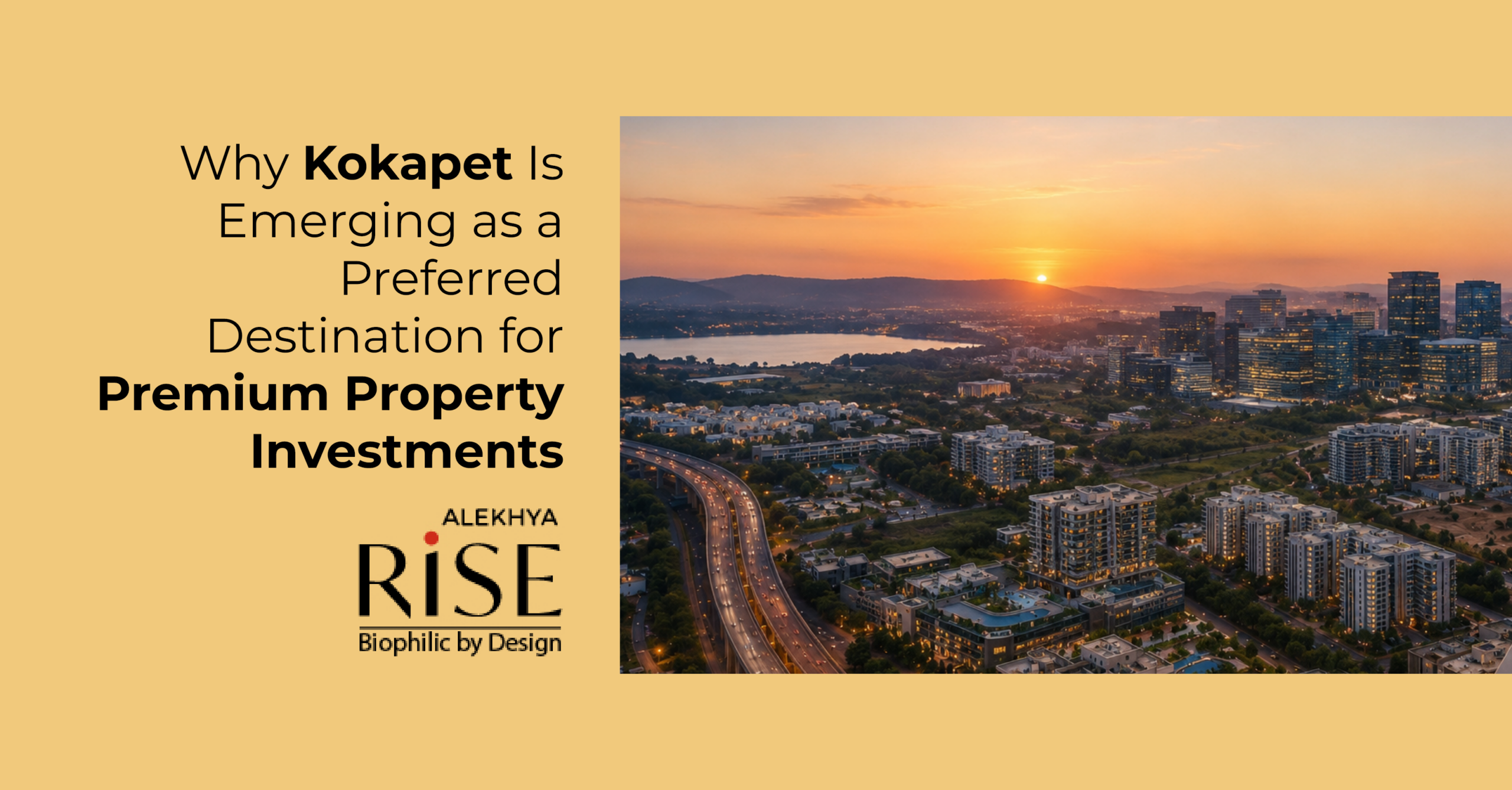
Why Kokapet Is Emerging as a Preferred Destination for Premium Property Investments
Why Kokapet Is Emerging as a Preferred Destination for Premium Property Investments Some locations grow
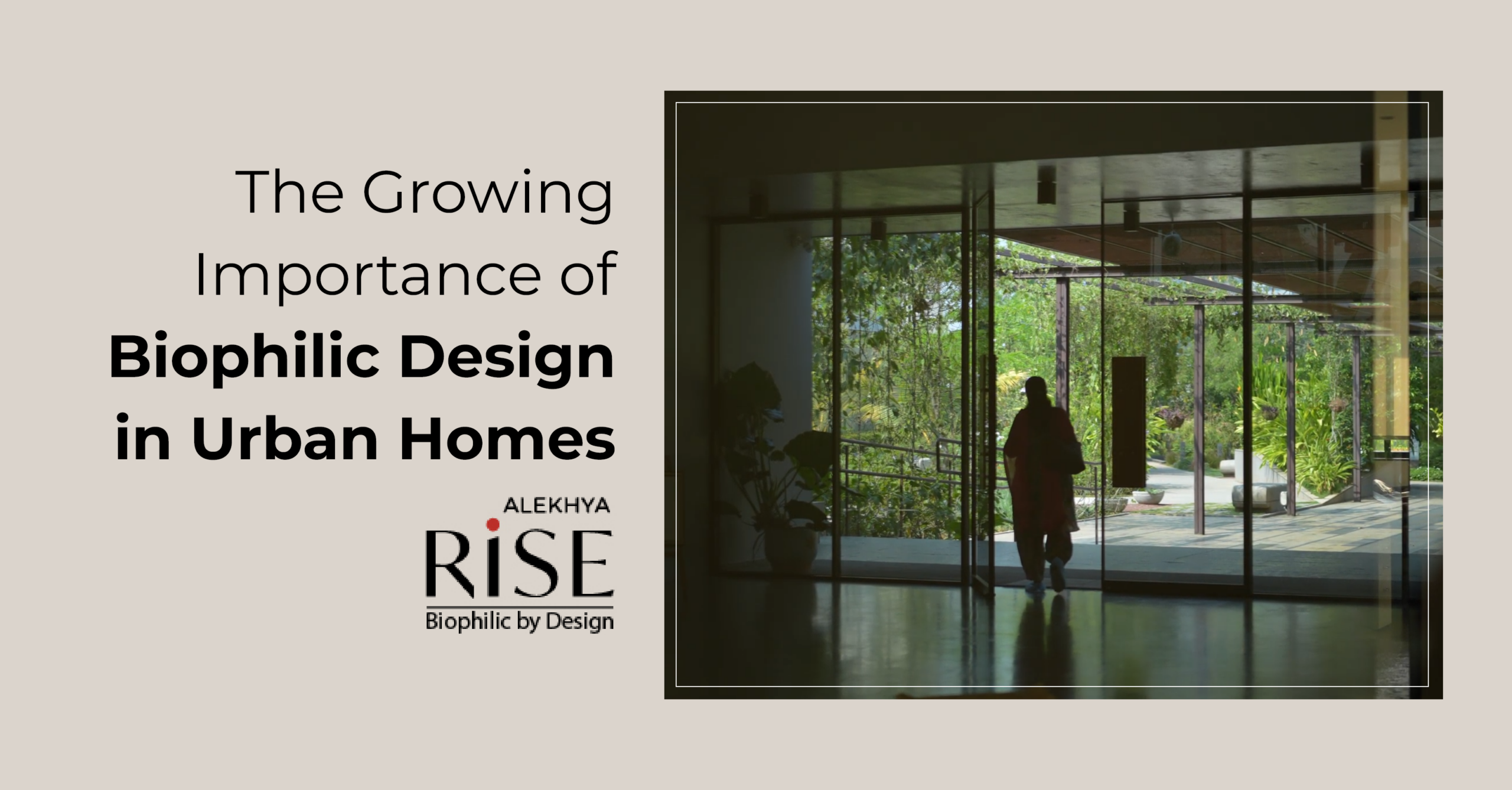
The Growing Importance of Biophilic Design in Urban Homes
There is a small change happening in the way people look at homes these
